
GUEST SPEAKERS
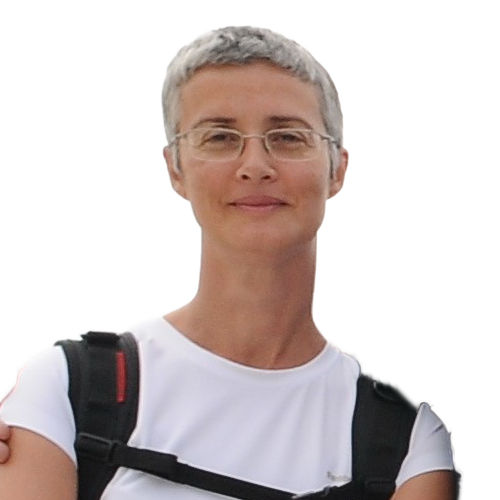
Eva M. Alvarez Isidro
Architect in carlos gomez+eva alvarez arquitectes
Associate Professor, Architectural Projects Department, Universitat Politècnica de València, Spain
1963 Born in S/C de La Palma, Canary Islands (Spain) 1991 Architect, Final Project with Excelent 1991 Founder of carlos gomez+eva alvarez arquitectes 2016 PhD on Women in Architecture. 1975, 2015. Cum Laude 2019 IAWA Milka Bliznakov Research Prize
More about Eva M. Alvarez Isidro
She has served as the Vice Dean for International Affairs at the School of Architecture at Universitat Politècnica de València (2014–2016) and has chaired AULAhna agreement between hna (insurance group) and UPV (2014–2019). Since 1995, she has been teaching Studio courses at UPV and she has taught at Leibniz University in Hannover, Architectural Association in London and Virginia Tech in US, TU Berlin, BOKU Vienna, Sapienza Universitá di Roma and IUAV in Venice. Together with Carlos Gómez, she has designed different buildings, among them Massanassa Auditorium and Massanassa Town Hall, and more recently, the office is dedicated to incorporate gender perspective into planning in cities like Castelló, Valencia or Benissa. This work has been awarded by Generalitat Valenciana in 2017. Now, together with Carlos Gómez, she is writing a Guide to incorporate gender approach into planning in Comunitat Valenciana. She has participated in 2nd Canary Islands Biennal in 2009 and she has lectured and written extensively on gender mainstreaming and feminism in architecture and urbanism. Together with Carlos Gómez, she has also participated in international exhibition ‘On Stage! On Women and Men in Landscape, Architecture and Planning’ in Hannover (2011), Valencia (2012) and Vienna (2014). In 2018, also together with Carlos Gómez, she was invited to participate in 2018 Venice Biennale Spain Pavilion Meeting on Architecture with the event ‘free[LEARNING]space’.
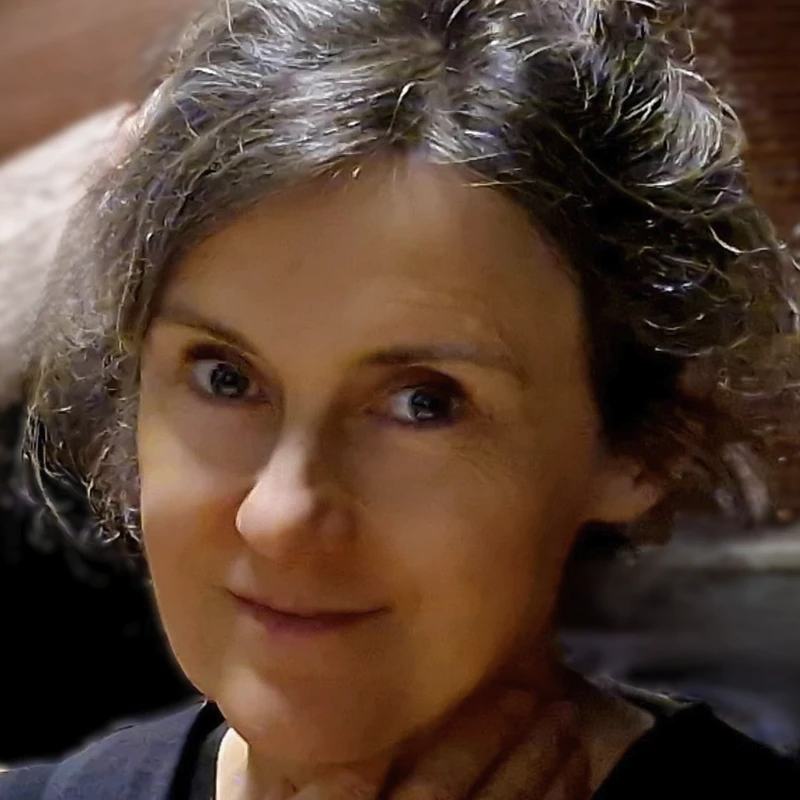
Małgorzata Balcer-Zgraja
Architect, Professor at Silesian University of Technology in Gliwice, Poland
Head of the Department of Residential and Public Architectural Design RAr-2
Dr hab. inż. arch. Małgorzata Balcer-Zgraja is an architect, designer and architecture teacher professionally affiliated with the Faculty of Architecture at the Silesian University of Technology. Head of the Department of Residential and Public Architectural Design RAr-2 since 2025. An author of more than 70 scientific publications in the field of public, educational, cultural and residential architecture. Extracurricular education lies within the author’s deep research interests, having participated three times in EU-funded educational projects with children/youth.
More about Małgorzata Balcer-Zgraja
Main fields of research are school building architecture, architecture of out-of-school education for children and young people in terms of new paradigms of education and the city, the logic of locality in the age of globalization (materiality and innovation in architecture, revitalization of public spaces).
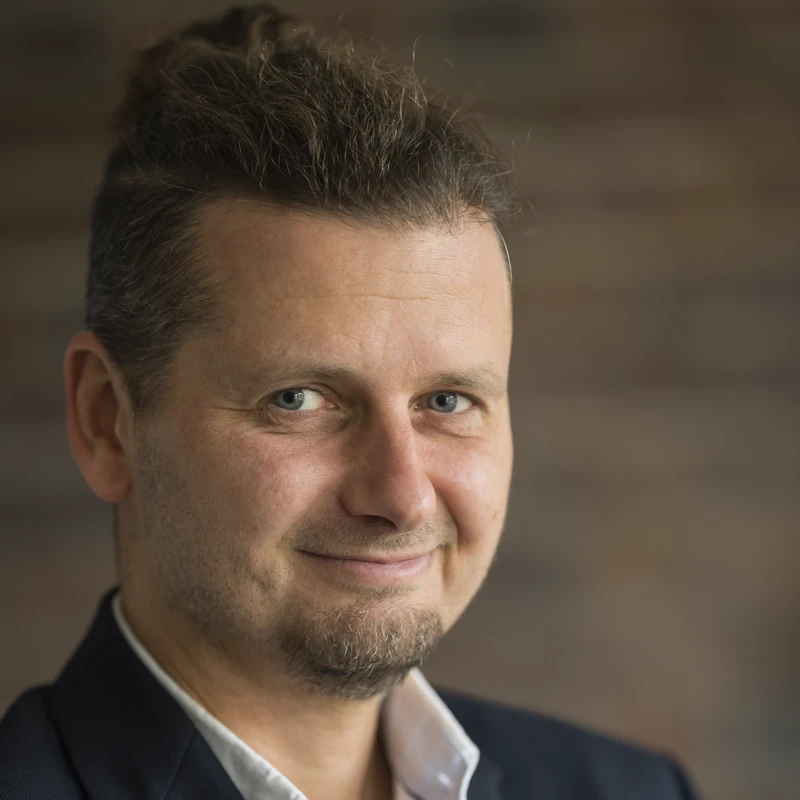
Tomasz Bradecki
Architect, Professor at the Silesian University of Technology in Gliwice, Poland
Dean of the Faculty of Architecture
Born in 1979, designer, teacher, researcher, architect, urban planner, author of dozens of publications in the field of architecture and urban planning, expert in urban space research, in particular residential and public spaces using 3D models and augmented reality, member of the Polish Academy of Sciences committee in Katowice, active populariser of science, creator of the urban planning game GRA W OSIEDLE, GRA W METROPOLIĘ, GRA W KATOWICE
More about Tomasz Bradecki
Founder of the URBANMODEL research group www.urbanmodel.org dealing with models in urban planning, co-organiser of conferences, workshops and summer schools, winner of the Prime Minister’s Award for significant achievements in the 30th edition of the competition in 2023. Active professional designer, member of the Chamber of Architects of the Republic of Poland, author and co-author of dozens of architectural and urban planning projects, multiple winner of professional architectural competitions. Winner of the Marshal of the Silesian Province Award for the best public space in the Silesian Province 2025. Most important publications: Mapping Urban Spaces, Indicators, parameters and models in the design of intensive residential development, Study of contemporary housing complexes
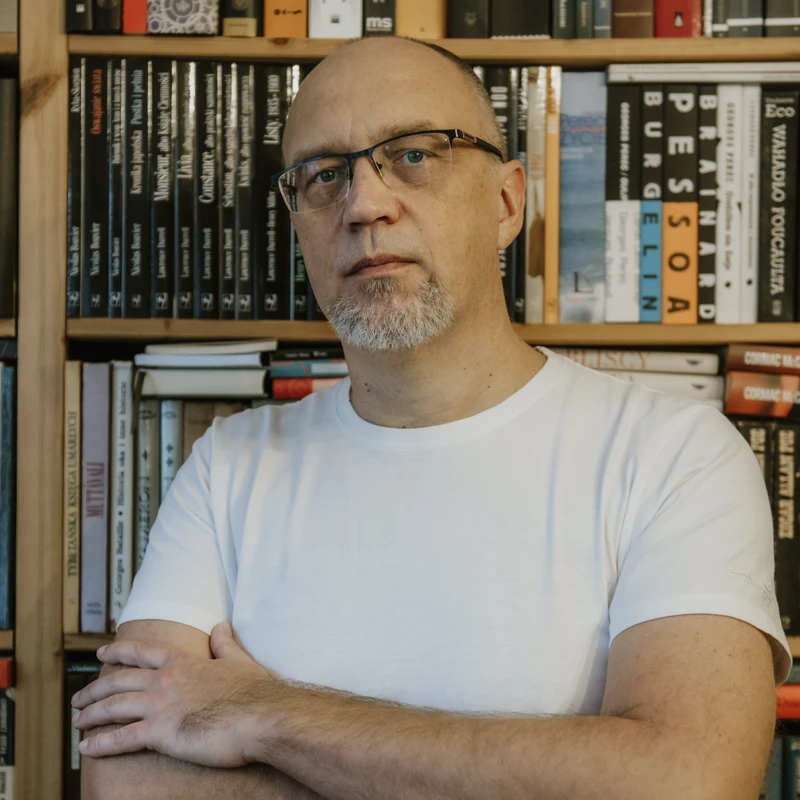
Dariusz Brzostek
Professor at the Institute of Cultural Studies, Nicolaus Copernicus University, Toruń, Poland
Dariusz Brzostek is a professor at the Institute of Cultural Studies at the Nicolaus Copernicus University in Toruń, an anthropologist, cultural studies scholar, and literary theorist. His main interests include sound studies, science fiction and Afrofuturism, and the history of jazz and electronic music. He has been a guest lecturer at the University of North Carolina at Chapel Hill, Guangxi Normal University, Guangdong University of Foreign Studies, and Tianjin Normal University. He has conducted research and field recordings in Finland, France, Portugal, China, the USA, Morocco, Canada, and Jamaica.
More about Dariusz Brzostek
He has participated in projects such as Towards a Global History of Music, the Reggae Research Network, Sound System Outernational, the Central-European Network for Sonic Ecologies, and the Social Circulations of Academic Knowledge. He is a member of the Committee on Cultural Studies of the Polish Academy of Sciences and the Council for Scientific Excellence. He has played electroacoustic and improvised music with the groups HATI and Molok Mun. Author of the monographs: “Literature and Unreason. Anthropology of Horror Fantasy” (Toruń 2009), “Listening to the Noise. Audioanthropology Between Expression and Experience” (Toruń 2014), “The Will to Not Know. Postmodern Horror or the Terror of Late Modernity” (Toruń 2020); co-author (with Katarzyna Marak and Miłosz Markocki) of the book “Gameplay, Emotions and Narrative. Independent Games Experienced” (Pittsburgh, 2019).
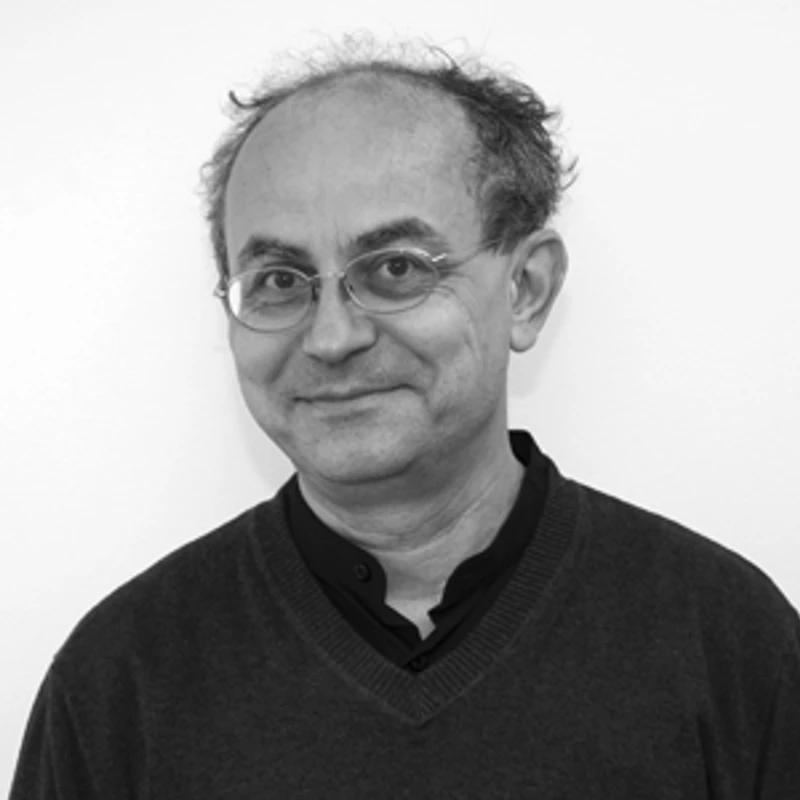
Gábor Mátyás Csanády
Architect, Professor, Vice Dean of Education at Óbuda University’s Miklós Ybl Faculty of Civil Engineering in Budapest, Hungary
Prof. Dr. Gábor Mátyás Csanády serves as Professor and Vice Dean of Education at Óbuda University’s Miklós Ybl Faculty of Civil Engineering, with active administrative roles including technical regional representative for regulated professional groups on the AI Transition Committee and voting member of the Education Committee.
His research focuses on Civil Engineering disciplines, particularly structural engineering systems, construction management methodologies, and the integration of artificial intelligence applications within civil engineering frameworks, reflecting contemporary advancements in the field.
More about Gábor Mátyás Csanády
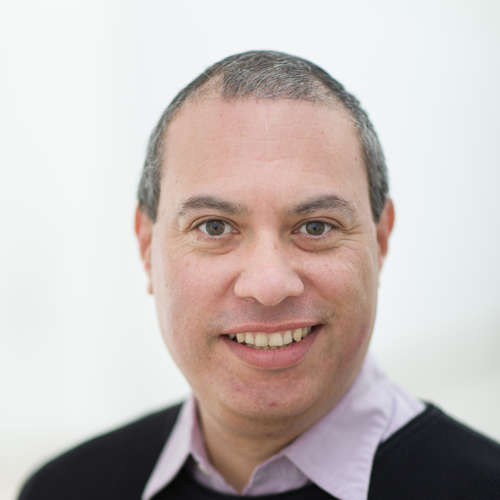
Michael Fowler
Ph.D., Technische Universität, Berlin, Germany
Michael Fowler is an independent researcher whose work is interdisciplinary. He is primarily interested in the examination, analysis, composition and design of exemplary sound-space. He studied music in Australia (University of Newcastle) and the USA (University of Cincinnati), and pursued an international concert career as a pianist and electronic musician working with some of the most notable composers of the late 20th Century including Karlheinz Stockhausen, Steve Reich and Milton Babbitt.
More about Michael Fowler
During his career as a musician he performed in Greece, Australia, Canada, Japan, China, USA, Mexico and Germany. He has won acclaim from critics including those writing for The New York Times, Atlanta Constitution-Journal, Birmingham News, and Sydney Morning Herald. After spending a year in Japan studying Japanese aesthetics in 2002 he took up a Post-Doctoral position at the Spatial Information Architecture Laboratory in Melbourne Australia. He has published on topics including the semiotics of Japanese garden design, concepts of sound and listening in architecture and landscape architecture, the music of Karlheinz Stockhausen, and the utilization of techniques from mathematics and AI for representing indeterminate musical spaces in the scores of John Cage. His artistic practice has also included the presentation and design of immersive sound installations that have been staged in Australia, China and Japan. He is an alumnus of the Alexander von Humboldt Stiftung research fellowship program.
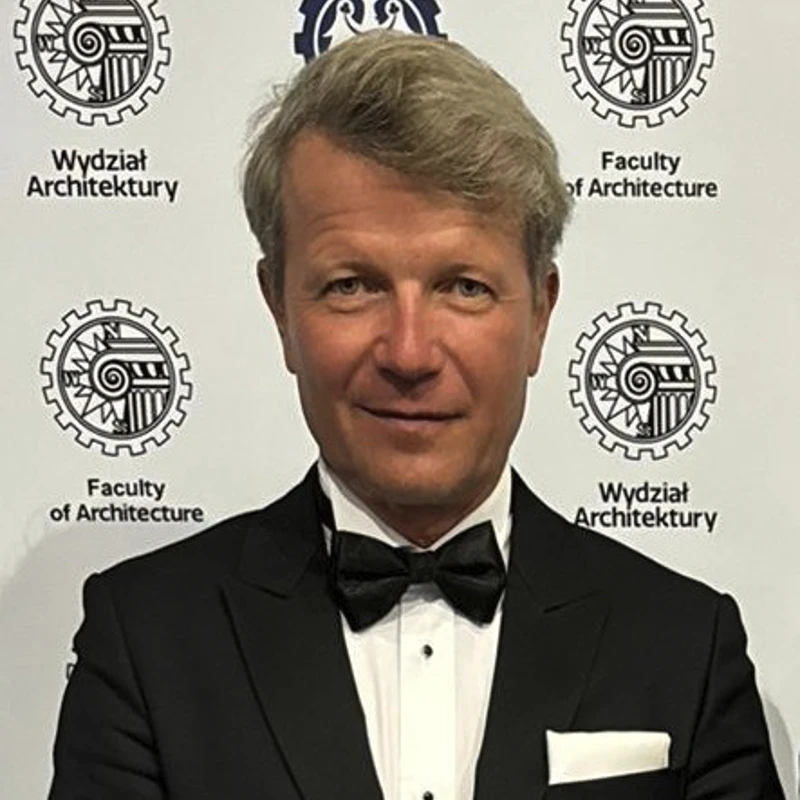
Klaudiusz Fross
Architect, Professor at the Silesian University of Technology in Gliwice, Poland
Dean of the Faculty of Architecture at the Silesian University of Technology from 2016 to 2024. Head of the Department of Design and Qualitative Research in Architecture, RAr5, until 2025. Vice-President of the Silesian Chamber of Construction since 2021. Vice-President of the Polish Ergonomic Society since 2023. President of the Polish Ergonomic Society, Silesian Branch, since 2022. For 30 years, he has been a research and teaching staff member at the Silesian University of Technology and an active designer, holding building qualifications.
More about Klaudiusz Fross
Head of the original research programmes “Space Architecture” and “Art & Design in Public Space”. Author of the “BenchMan” brand, which won the main prize at the Expo Gliwice 2020 trade fair. He is the manager of the APA Misja MARS research and implementation project – a space habitat design. He promotes design using research (design by research and research by design) and the architect-researcher model. He has completed over 500 projects with various functions. One of the most important is the energy self-sufficient water park “Tropical Island”. The latest project, the Student Centre for Creativity at the Silesian University of Technology, received three awards: Investment of the Year, Modernisation of the Year, and the Silesian Grand Prize for Construction. He has received numerous awards and distinctions, including: Polish Hercules 2023 in the Science and Education category; Personality of Silesian Construction 2023; Authority of Construction and Economyof Silesia 2014; King Casimir the Great Gold Badge 2018; Karol F. Pollak Gold Medal; Medal of the Education Commission Prof. Zygmunt Majerski Medal for services to the Silesian Region in the field of architecture and urban planning 2024, Silver Medal for Services to the Real Estate Industry 2025.

Agata Gawlak
Dean of the Faculty of Architecture, Poznań University of Technology, Poznań, Poland
Agata Gawlak is an Associate Professor at the Poznań University of Technology. She conducts research in universal design, design for health, quality of life in cities, and the use of new technologies in designing for seniors (gerontechnologies). She is the author of over 50 scientific publications, including the monograph “Housing for Health: Designing for Future Seniors,” which received first place in the IARP competition for the best scientific works and publications relevant to the architectural profession.
More about Agata Gawlak
She has led teams on projects and grants, including POVR: Integrated University for the Future – New Education Programs, Universal Design in the Strategy for Improving Educational Efficiency at Poznań University of Technology (NCBiR), and KPO: Implementation of Spatial Planning and Development Reform – Planning in a New Way – Law and Practice. She is a member of scientific councils and a reviewer for national and international scientific journals, including Sustainability, Housing, and the International Journal of Environmental Research and Public Health. She is a member of the advisory panel evaluating applications for scholarships from the Minister responsible for Higher Education and Science for students and outstanding young scientists. She is an active designer and architect and the author of over 100 completed architectural projects. She was honoured in the prestigious international competition for designing the “AGEpROOF” rooftop modules for seniors in the “Reusing Rooftops Barcelona 2024” competition. In 2024, she was awarded the Minister of Science Award for significant implementation work.
She is a member of the Chamber of Architects of the Republic of Poland, the Association of Architects of the Republic of Poland, the Advisory Group – Terms of Reference Centre for Urban Wellbeing, Birmingham University, and the Expert Team for Accessibility and Inclusive Design of the Association of Architects of the Republic of Poland in Warsaw. She is an expert of the Polish Accreditation Committee in architecture and urban planning. She has been awarded the Medal of the National Education Commission and the Bronze Cross of Merit.
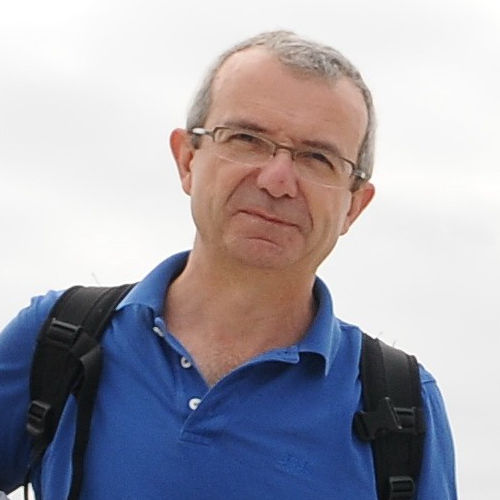
CARLOS J. GÓMEZ ALFONSO
Architect in carlos gomez+eva alvarez arquitectes
Associate Professor, Architectural Projects Department, Universitat Politècnica de València, Spain
1965 Born in Catarroja, Valencia (Spain)
1991 Architect, Final Project with Honors
1991 Founder of carlos gomez+eva alvarez arquitectes
2016 PhD on School buildings in Valencia. Cum Laude
2019 IAWA Milka Bliznakov Research Prize
More about CARLOS J. GÓMEZ ALFONSO
Has served as the Vice Dean for students’ affairs at Architectural Projects department (2004–2012) and since 2017, he is responsible for UPV Campus Buildings at Universitat Politècnica de València. Since 1992, he has been teaching Studio courses at UPV and he has taught at Virginia Tech in US, TU Graz, RWTH Aachen, Sapienza Universitá di Roma y IUAV in Venice. Together with Eva Alvarez, he has designed different buildings among them Massanassa Auditorium and Massanassa Town Hall and more recently, the office is dedicated to incorporate gender perspective into planning in cities like Castelló, Valencia or Benissa. This work has been awarded by Generalitat Valenciana in 2017. Currently, together with Eva Alvarez, he is writing a Guide to incorporate gender approach into planning in Comunitat Valenciana. He is also interested in photography and he has participated in 2nd Canary Islands Biennal in 2009 and he has been finalist is Premio Fundamentos in photography by COAM in 2010. He has lectured and written extensively on school buildings in Spain and on gender mainstreaming into architecture and urbanism. Together with Eva Alvarez, he has also participated in international exhibition ‘On Stage! On Women and Men in Landscape, Architecture and Planning’ in Hannover (2011), Valencia (2012) and Vienna (2014). In 2018, also together with Eva Alvarez, he was invited to participate in 2018 Venice Biennale Spain Pavilion Meeting on Architecture with the event ‘free[LEARNING]space’.
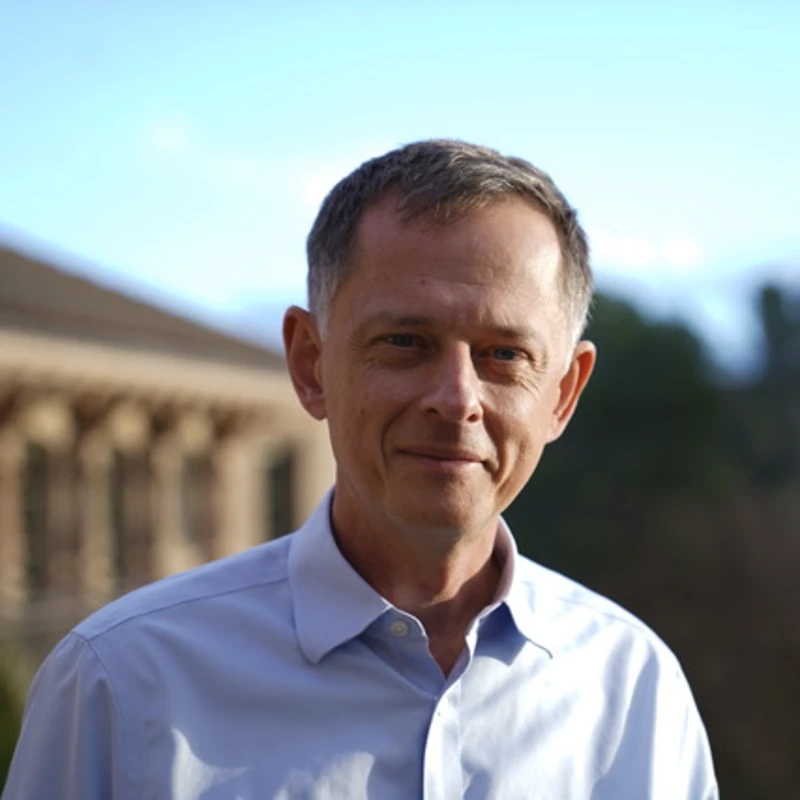
Jarosław Kapuściński
School of Humanities and Sciences, Department of Music, Stanford University, United States of America
Jarosław Kapuściński is an Associate Professor of Music at Stanford University, where he is also affiliated with the Department of East Asian Languages and Cultures. His research focuses on intermedia composition, performance, and Japanese traditional aesthetics. He studied piano and composition at the Chopin Academy of Music in Warsaw. He furthered his multimedia and intermedia art education during doctoral studies at the University of California, San Diego, and a residency at Banff Centre for the Arts in Canada.
More about Jarosław Kapuściński
Kapuściński has received grants and commissions from numerous international organisations, including the National Endowment for the Arts, the Governor General of Canada, and Institut national de l’audiovisuel (INA) in France. His works have been awarded prizes at festivals in Canada, France, Switzerland, and the United States, and have been presented at venues such as New York MOMA, Spoleto USA, EMPAC NY, Logan Center in Chicago, ZKM in Karlsruhe, Reina Sophia Museum in Madrid, Media Biennale Wroclaw, Warsaw Autumn Festival, Creative Media Center in Hong Kong, Benz Arena in Shanghai, and National Art Centre in Ottawa.
In addition to his artistic work, Kapuściński has collaborated on scholarly websites about Japanese Gagaku music (gagaku.stanford.edu) and Noh Theatre (noh.stanford.edu).
Apart from his career as a composer and performer, Kapuściński lectured internationally and held positions at institutions such as McGill University in Montreal and the Conservatory of Music at the University of the Pacific.
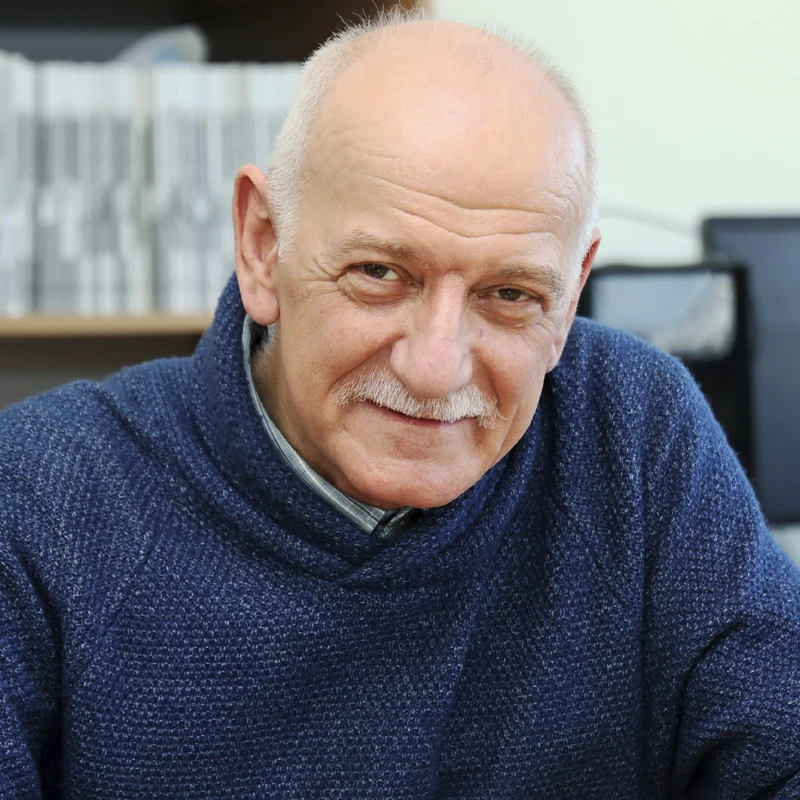
Tomasz Komendziński
Institute of Information and Communication Research, Nicolaus Copernicus University, Toruń, Poland
Tomasz Komendziński is an Assistant Professor in the Department of Cognitive Science at the Institute of Information and Communication Research at the Nicolaus Copernicus University in Toruń. He is a member of many national and international scientific societies (including Cognitive Science Society, Society for Social Neuroscience, European Society for Cognitive and Affective Neuroscience, Association for Psychological Science, iACToR International Association of CyberPsychology, Training, and Rehabilitation) and editorial committees, including foreign “Phenomenology and Cognitive Sciences” (Springer) and “Frontiers in Neuroscience – Neural Technology” (IF 4.677)
More about Tomasz Komendziński
Tomasz Komendziński was a member of the Emerging Field – Perception, Cognition and Language (PeCoLa) as part of IDUB (Initiative of Excellence, Research University), where he received funding to create a diagnostic station for patients with disorders of consciousness. He is also a member of the new Emerging Field – Culture, Development and Wellbeing – from 2023. EF will be particularly involved in research on older people and wellbeing.
He deals with the issues of interdisciplinary and transdisciplinary research and the integration of research methods and tools, especially in research on the brain and mind. He especially develops the theory of communication as sharing, embodied cognitive sciences and the application of cognitive science, especially in medicine, and recently, especially in connection with projects of deep medicine, embodied medicine and the use of machine learning to search for dementia biomarkers in cooperation with RIKEN AIP. The framework for this research is the search for new competences for medicine in connection with the use of modern technologies, massive data repositories and the application of artificial intelligence (on the example of consciousness disorders and research on neurodegeneration) in the context of the challenges of Society 5.0 (Japanese project), AI for Social Good (source Google project) and the Inclusive Society (OECD).
In cooperation with researchers from RIKEN AIP (in particular with Dr. Tomasz Rutkowski), he is working on the search for dementia biomarkers using machine learning methods in the field of passive BCI. Within a few years, a monitoring tool for seniors will be developed. He promotes the Inside Out Health Neuroscience approach, especially in the field of research on interoception, interoceptive body awareness – especially regarding respiratory rhythms, interoceptive emotional regulation (constructed emotions), mindwandering and prospective memory. Generally, weakening the mind/brain-body-environment coupling (embodiment weakening) occurs in old age. Inside Out Health Neuroscience is an original approach to health neuroscience, taking into account the latest scientific research
He managed many and participated in many interdisciplinary projects. He was a member of the Polish group participating in the international cross-cultural study “Compassion, social bonds and resilience to traumatic experiences during the Covid: 19 pandemic” conducted in 22 countries on five continents. Tomasz Komendziński is also involved in cooperation with the Polish School of Mindfulness, where he conducts classes for trainers and postgraduate students of mindfulness and compassion at the SWPS University in Poznań and Kraków.
He is the author of over 100 publications in cognitive science, philosophy, rehabilitation, and interdisciplinary research. He was the organiser of a series of international Cognitivist Autumn in Torun (CAT) conferences in 2006-2010.
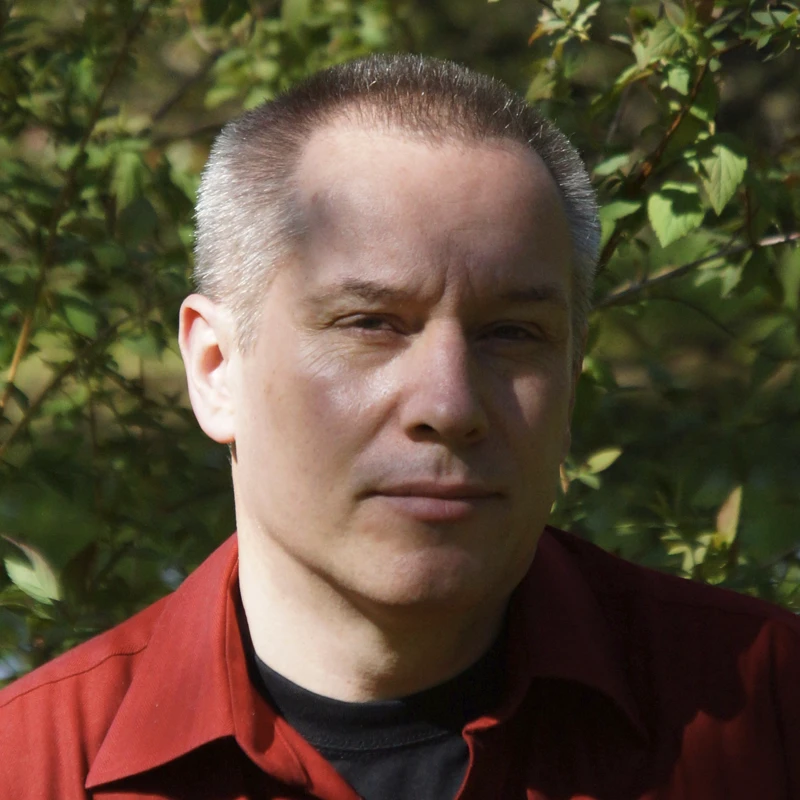
Tomasz Majda
Vice-President of European Council of Spatial Planners, President of the Society of Polish Town Planners (TUP), Poland
Graduate and employee of the Faculty of Architecture at the Warsaw University of Technology. For 10 years assistant professor at the Faculty of Horticulture, Biotechnology and Landscape Architecture of the Warsaw Life Science University.
President of the Society of Polish Town Planners, Polish delegate to and Vice-President of the European Council of Spatial Planners (ECTP-CEU), for many years chairman of the Polish delegation to the International Society of City and Regional Planners (ISOCARP), member of the Global Planners Network; for two terms chairman of the Urban Planning and Architectural Commission of the Capital City of Warsaw, member of the Main Urban Planning and Architectural Commission of the Ministry of Infrastructure, for several years member of the Legal and Urban Planning Team as well as Team for metropolitan areas of the the Polish Academy of Sciences.
More about Tomasz Majda
Owner of a design office, co-author of several dozen local plans, a number of municipal studies, development strategies, urban planning projects, ecophysiographies. Lead expert on the planning part of the Flood Safety Programme for the Central Vistula Valley commissioned by a consortium of 9 governors. Expert of the Nanjing 2049 development strategy team and masterplan of the new part of the city on the north bank of the Yangtze River for 5 million inhabitants. Lecturer for programmes in Abu Dhabi, Shenzen, Yekaterinburg.
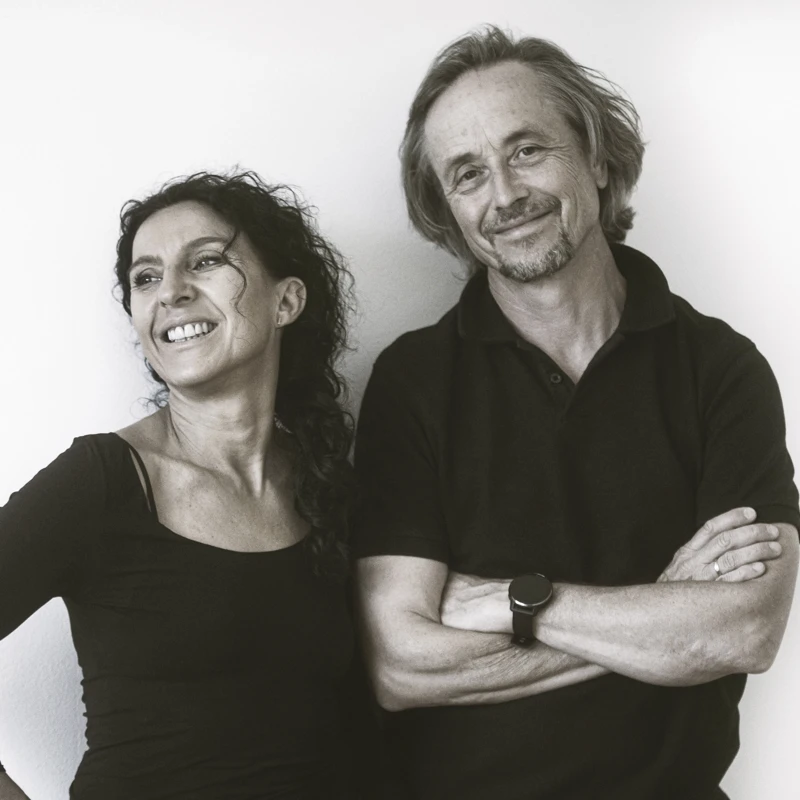
Joanna and Wojciech Małeccy
MAŁECCY Design Office
Joanna and Wojciech Małecki form one of the most recognisable architectural duos in Poland. Their joint practice – MAŁECCY design studio, operating continuously since 1997 – implements architectural, urban, and interior design projects in Poland and abroad.
They are co-authors of award-winning projects, including the world’s best ceramic building – the headquarters of the Faculty of Radio and Television at the University of Silesia in Katowice (WRiTV) – and the modern residential building Nowy Weron in Ruda Śląska, a contemporary interpretation of the traditional Silesian “familok” (a semi-detached house).
More about Joanna and Wojciech Małeccy
In their work, they draw inspiration from the heritage and identity of Silesia, treating local traditions, history, and regional issues as a starting point for creating modern, context-conscious designs.
Their work has been recognised numerous times in prestigious architectural competitions in Poland and abroad. The most important awards include:
2025 – PROPERTY DESIGN AWARDS award in the single-family home category for the dom_619 project
2024 – ACCESSIBILITY LEADER (finalist) – for the project to revitalise the former “Huta Pokój” canteen for ING
2024 – POLITYKA ARCHITECTURAL AWARD (finalist) – for the project to revitalise the former “Huta Pokój” canteen for ING
2022 – NOMINATION EU Mies Award 22 – European Union award in the competition for contemporary architecture named after Mies van der Rohe, design for the Nowy Werdon multi-family housing development in Ruda Śląska
2020 – GRAND PRIX Architecture of the Silesian Voivodeship 2020 – design for the Nowy Werdon multi-family housing development in Ruda Śląska
2020 – AWARD of the Minister of Development and Technology – for outstanding creative achievements in the field of architecture and urban planning
2020 – FINAL EU Mies Award 20 – European Union award in the Mies van der Rohe contemporary architecture competition, Faculty of Radio and Television, University of Silesia in Katowice
2020 – GRAND PRIZE Brick Award 2020 – Silesia University’s Radio and TV Department in Katowice – Award for the best building in the world using ceramics
2019 – Medal named after the professor. Zygmunt Majerski Award – for recognition of their contributions to the Silesian region in the fields of architecture and urban planning
2018 – Award – Best Public Space in the Silesian Voivodeship – WriTV
2018 – Polityka Architectural Award – Grand Prix
2017 – Bryła Roku Award – WriTV
Outside of their professional lives, Joanna and Wojciech are passionate about an active lifestyle. In their free time, they actively pursue skiing and tennis, which, as they emphasise, help them maintain balance and inspire fresh, creative thinking about architecture.
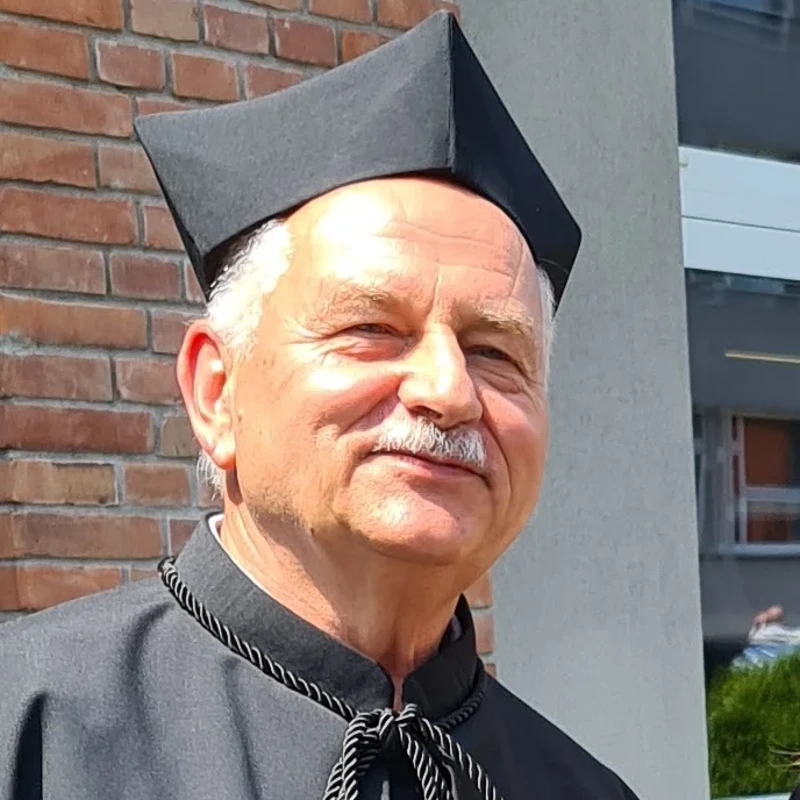
Bogusław Podhalański
Architect, Associate Professor at the Academy of Applied Sciences (ANS) in. Nowy Targ, Poland
DSc. Eng. arch. Bogusław Podhalański, University Prof. first of all developed professional interest in the field of spatial planning. Done (as the author and co-author), many collaborative studies of local plans, studies of conditions and directions of spatial planning and forecasting the financial implications of local plans. For his scientific achievements consist of articles and studies devoted to: metropolises, the mechanisms of formation of the metropolitan area and their development, planning and restoration design methods of urban composition. This activity is performed in the Institute of Design of Cities and Regions at CUT , AAS in Nowy Targ and University of Agriculture in Krakow.
More about Bogusław Podhalański
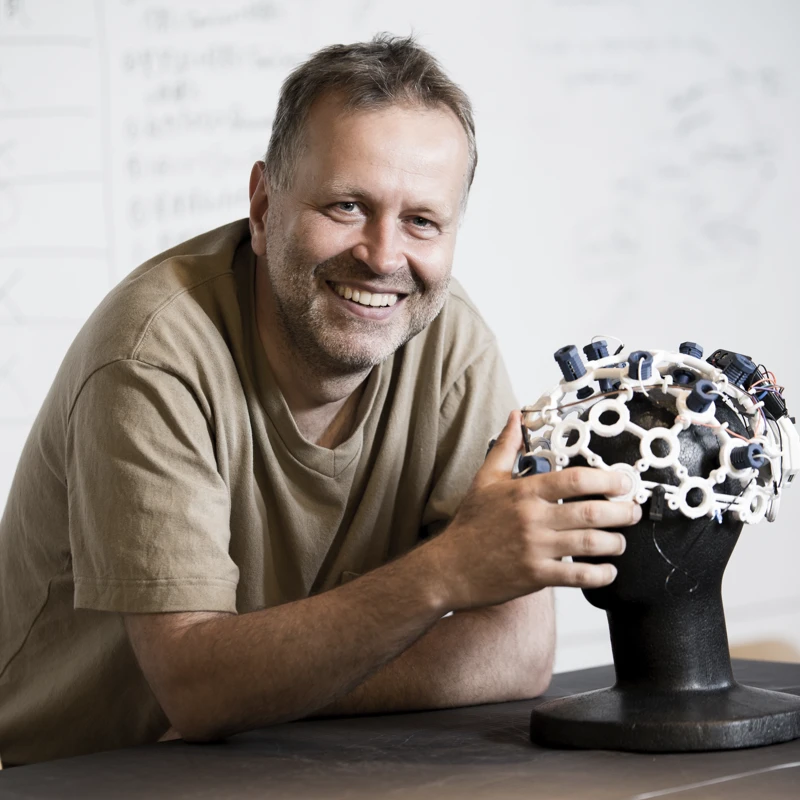
Tomasz M. Rutkowski
RIKEN Center for Advanced Intelligence Project, Tokyo, Japan
Dr. Tomasz M. Rutkowski is a prominent scientist of Polish origin whose scientific career focuses on innovative research in the field of neurotechnology, brain-computer interfaces (BCI/BMI), and the application of artificial intelligence to biomedical signal processing. He currently holds key positions in Japan as a Research Scientist at the renowned RIKEN Advanced Intelligence Project (AIP) in Tokyo, and as a Research Fellow at the Graduate School of Education at The University of Tokyo. His expertise includes studying brain correlates of creativity, computational multisensory neuroscience, and the development of advanced algorithms for the separation and decomposition of electroencephalographic (EEG) and other neurophysiological signals.
More about Tomasz M. Rutkowski
Dr. Rutkowski’s earlier career path was closely associated with leading Japanese scientific centers. He worked as a Research Professor at The University of Tokyo and as an Assistant Professor and Lecturer at the University of Tsukuba, where he taught courses in computational neuroscience and mathematics for computer scientists. Furthermore, he held Research Scientist positions at the RIKEN Brain Science Institute and the RIKEN BSI-TOYOTA Collaboration Center.
Among his most significant research achievements are the pioneering use of machine learning, including deep learning, to identify digital biomarkers for dementia and cognitive load, as well as the design of innovative BCI paradigms utilizing auditory and tactile stimuli.
He obtained his education, including his Ph.D. in Technology, from the Wrocław University of Science and Technology.
Dr. Rutkowski has been repeatedly honored internationally for his scientific achievements. He is the winner of the prestigious The Annual BCI Research Award 2014 for the project “Airborne Ultrasonic Tactile Display BCI” and received a BCI Award 2016 nomination. In 2024, he was recognized with the First Degree Scientific Award from the Rector of Nicolaus Copernicus University in Toruń for innovative research on neurobiomarkers of dementia, and the Benedykt Polak Award for Outstanding Exploratory and Research Achievements on Land, at Sea, in the Air, and in Space 2024. He has also been honored with numerous Best Paper Awards at conferences such as APSIPA ASC and the International Conference on Brain Informatics & Health.
He is actively involved in the scientific community as a Co-founder of the BCI Society, a Board Member of the BCI Award Foundation, and a Senior Member of the IEEE association. He has been involved in patent creation and is an organizer of numerous scientific events, such as the Art meets Brain Hackathon and workshops at international conferences. Additionally, Dr. Rutkowski actively promotes diversity in research, serving on the jury for the Maria Skłodowska-Curie Award for Young Women Scientists in Japan in the editions from 2021 to 2025.
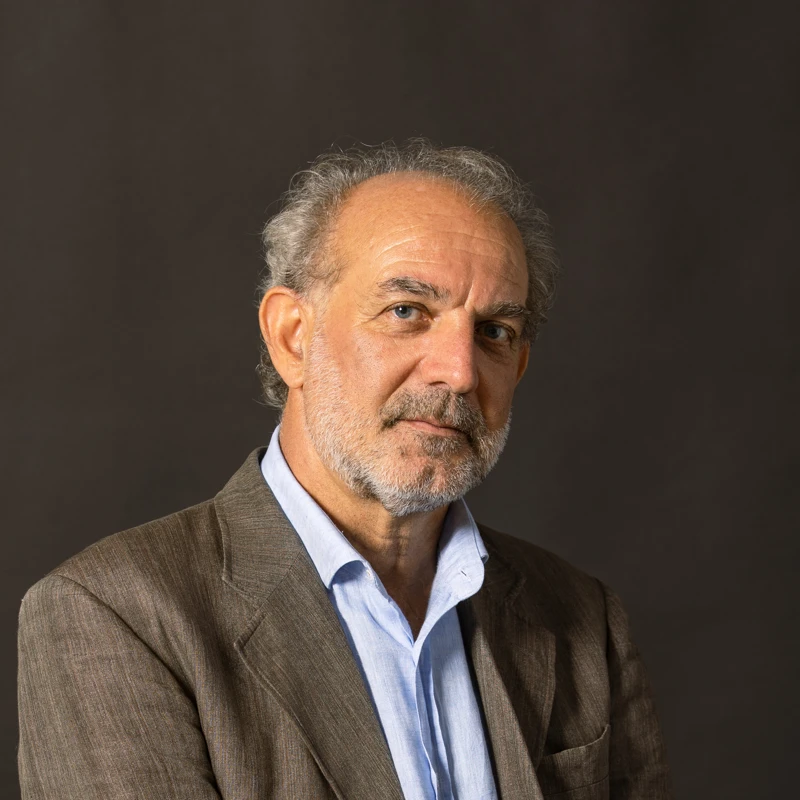
Davide Ruzzon
Architect and director of TA Tuning Architecture in Milan, Italy
Davide Ruzzon is an architect and director of TA Tuning Architecture in Milan, a team focused on applying neuroscience to the design of public and private buildings and urban spaces.
More about Davide Ruzzon
Now in its sixth edition, he is also the founder and director of NAAD, ‘Neuroscience Applied to Architectural Design,’ an annual postgraduate course at IUAV University of Venice. This program involves neuroscientists, scholars, professionals, architects, and psychologists in a multidisciplinary approach to science-based design, merging human sciences with architecture. Ruzzon is also the director and co-founder of the new architecture magazine Intertwining, now in its third issue, and curator of the special section ‘neuroscience and architecture’ for Il Giornale dell’Architettura. Since 2023, he has served on the Scientific Committee of the Academy of Neuroscience for Architecture in San Diego, California. He has authored books, including the most recent “Tuning Architecture with Humans” (2022, Mimesis International), articles, edited collections of essays, and organised seminars and conferences. He has also designed public and private buildings and participated in international design competitions.

Takaharu Tezuka
Architect, President of Tezuka Architects, Professor of Tokyo City University, Japan
1964 Born in Tokyo, Japan
1987 B. Arch., Musashi Institute of Technology
1990 M. Arch., University of Pennsylvania
1990-1994 Richard Rogers Partnership Ltd.
1994 Founded Tezuka Architects with Yui Tezuka
1996-2008 Associate Professor, Musahi Institute of Technology
2009- Professor, Tokyo City University
More about Takaharu Tezuka
Awards
The Best of All, OECD/CELE 4th Compendium of Exemplary Educational Facilities (2011, Fuji Kindergarten)
Prize of Architectural Institute of Japan for Design (2008, Fuji Kindergarten)
Japan Institute of Architects Award (2008, Fuji Kindergarten) (2015, Sora no Mori Clinic)
AR Award 2004, the Architectural Review (Echigo-matsunoyama Museum of Natural Science)
Good Design Gold Prize (1997, Soejima Hospital) (2013, Asahi Kindergarten)
Global Award for Sustainable Architecture 2017, UNESCO
Moriyama RAIC International Prize 2017 (Fuji Kindergarten), Royal Architectural Institute of Canada (RAIC)
BCS Prize (2018, Sora no Mori Clinic), Japan Federation of Construction Contractors
World Architecture Festival 2018, School Completed Buildings Winner (Muku Nursery School)
Exhibitions
2004 Venice Biennale of Architecture
2013 Carnegie International
2018 Venice Biennale of Architecture “Freespace”
Publications
Takaharu + Yui Tezuka Architecture Catalogue 1-3. TOTO Publishing
Takaharu + Yui Tezuka NOSTALGIC FUTURE ERINNERTE ZUKUNFT, Jovis, 2009.
Tezuka Architects: The Yellow Book, Edited by Thomas Sherman & Greg Logan, Jovis, 2016
TED.com The best kindergarten you’ve ever seen”
https://www.ted.com/talks/takaharu_tezuka_the_best_kindergarten_you_ve_ever_seen
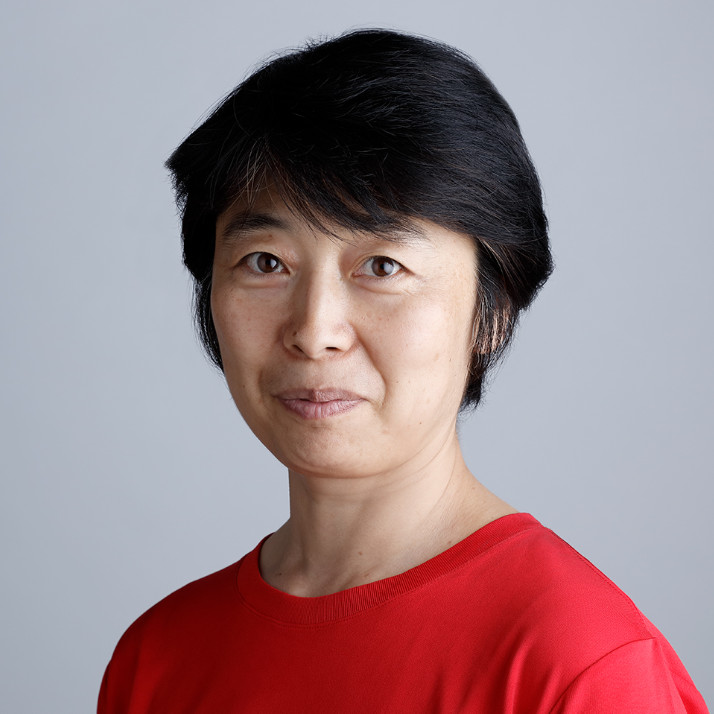
Yui Tezuka
Architect / President of Tezuka Architects, Tokyo, Japan
1969 Born in Kanagawa, Japan
1992 B. Arch., Musashi Institute of Technology
1992-1993 The Bartlett School of Architecture, University College London
1994 Founded Tezuka Architects with Takaharu Tezuka
More about Yui Tezuka
Awards
The Best of All, OECD/CELE 4th Compendium of Exemplary Educational Facilities (2011, Fuji Kindergarten)
Prize of Architectural Institute of Japan for Design (2008, Fuji Kindergarten)
Japan Institute of Architects Award (2008, Fuji Kindergarten) (2015, Sora no Mori Clinic)
AR Award 2004, the Architectural Review (Echigo-matsunoyama Museum of Natural Science)
Good Design Gold Prize (1997, Soejima Hospital) (2013, Asahi Kindergarten)
Global Award for Sustainable Architecture 2017, UNESCO
Moriyama RAIC International Prize 2017 (Fuji Kindergarten), Royal Architectural Institute of Canada (RAIC)
BCS Prize (2018, Sora no Mori Clinic), Japan Federation of Construction Contractors
World Architecture Festival 2018, School Completed Buildings Winner (Muku Nursery School)
Exhibitions
2004 Venice Biennale of Architecture
2013 Carnegie International
2018 Venice Biennale of Architecture “Freespace”
Publications
Takaharu + Yui Tezuka Architecture Catalogue 1-3. TOTO Publishing
Takaharu + Yui Tezuka NOSTALGIC FUTURE ERINNERTE ZUKUNFT, Jovis, 2009.
Tezuka Architects: The Yellow Book, Edited by Thomas Sherman & Greg Logan, Jovis, 2016
TED.com Takaharu Tezuka “The best kindergarten you’ve ever seen”
http://www.ted.com/talks/takaharu_tezuka_the_best_kindergarten_you_ve_ever_seen